Protect life
- Check fire, wires and medical danger.
- Use battery lighting.
- Confirm the outage safely.
- Start the food clock.
Make a plan, organise the essentials and keep the useful guidance on your phone—even when the internet disappears.
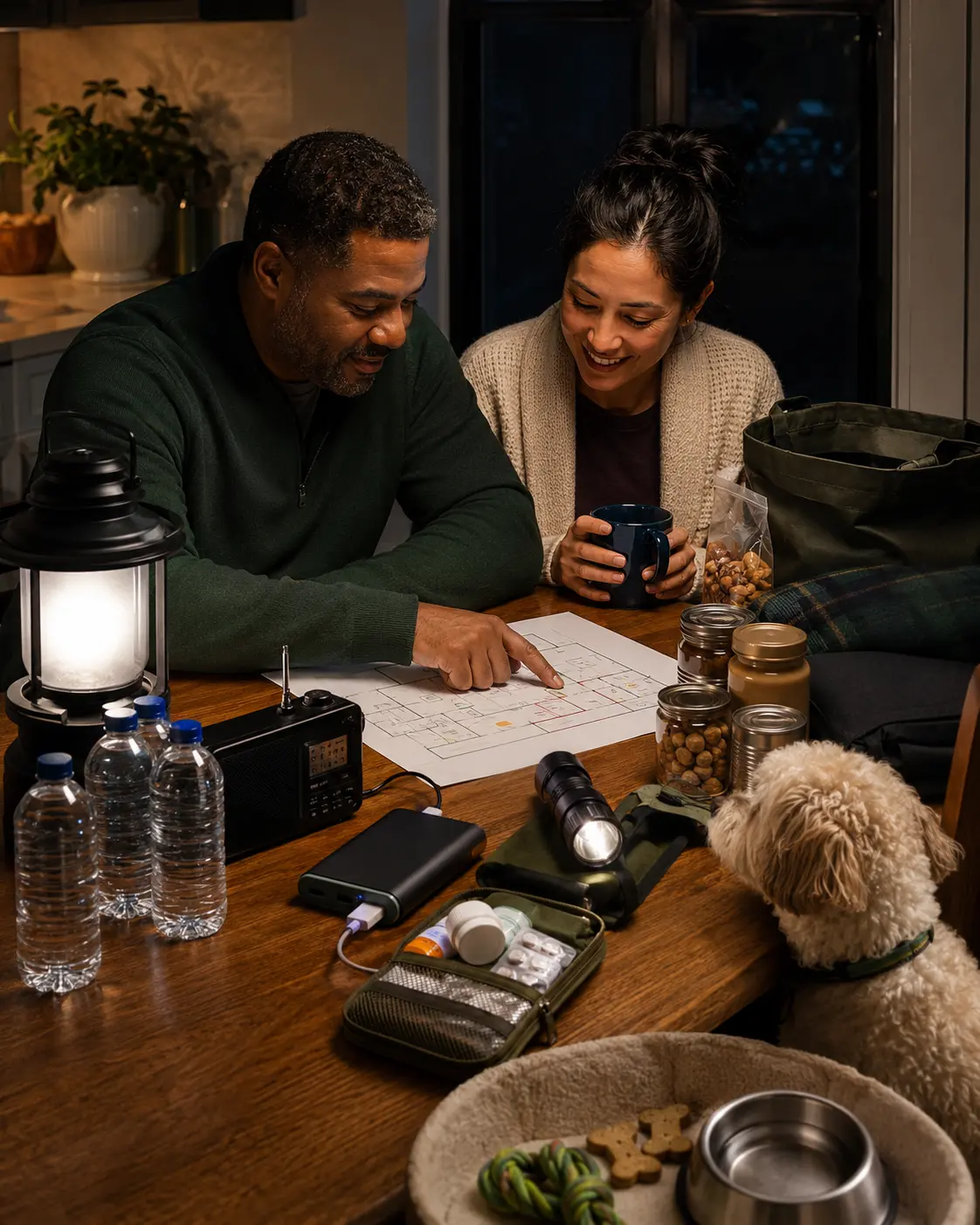
Move through the stages as the outage develops. Safety and official instructions always come first.
Prepare at your own pace, or jump straight to the information you need during an outage.
These quick guides are stored with the site for offline use. Follow local authorities and emergency services whenever their instructions differ.
Portable generators should remain outdoors, dry and at least 20 feet from the home where official guidance specifies. Use battery-backed carbon-monoxide alarms. Never connect a generator directly to household wiring unless a qualified electrician installed an approved transfer system.
An unopened refrigerator keeps food cold for about four hours. A full unopened freezer holds temperature for roughly 48 hours; a half-full freezer for about 24 hours.
Start with household outage safety. Longer-term resilience skills are included carefully, lawfully and without pretending every emergency becomes a wilderness-survival situation.
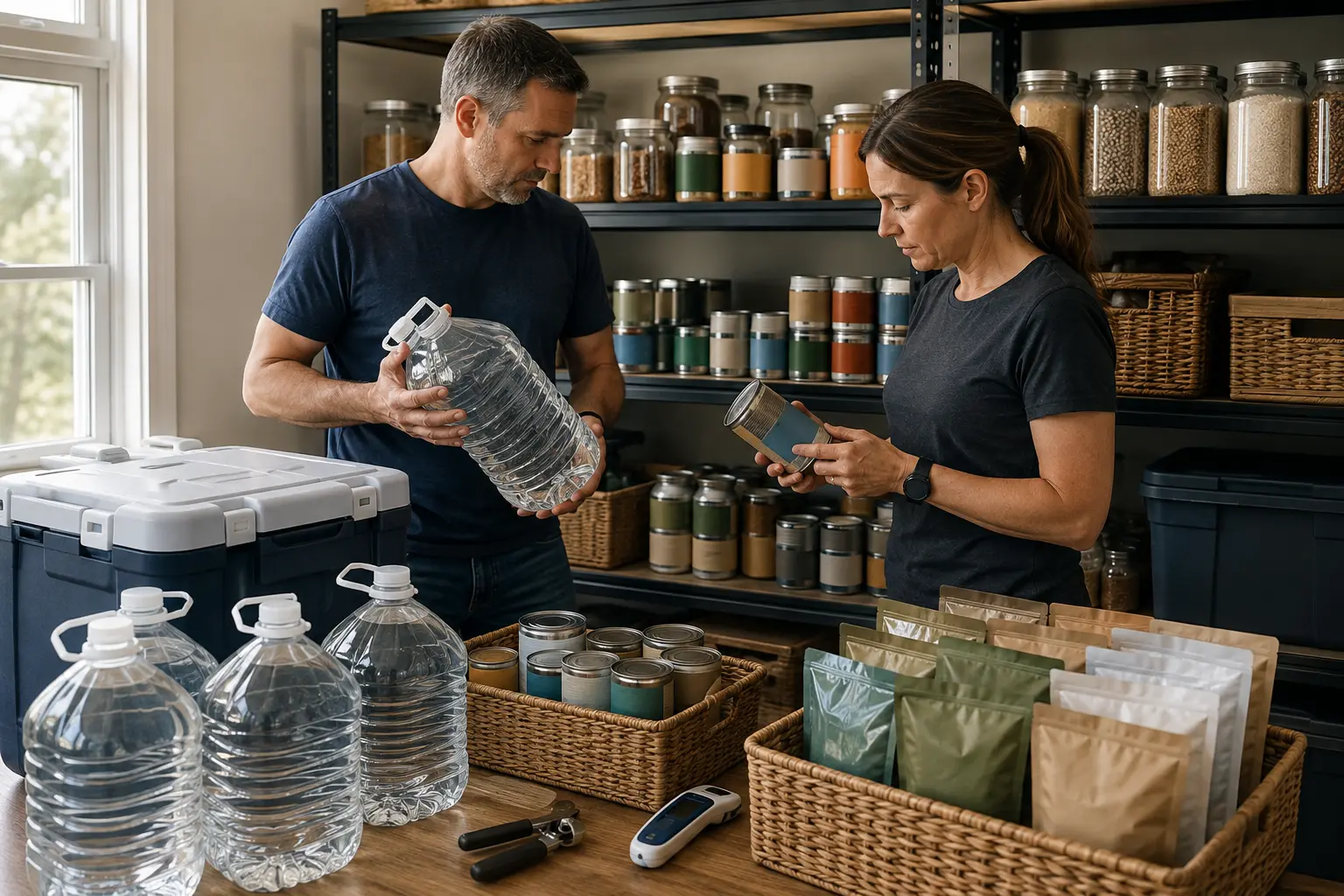
Storage, rotation, food safety, coolers, manual cooking and household quantities.
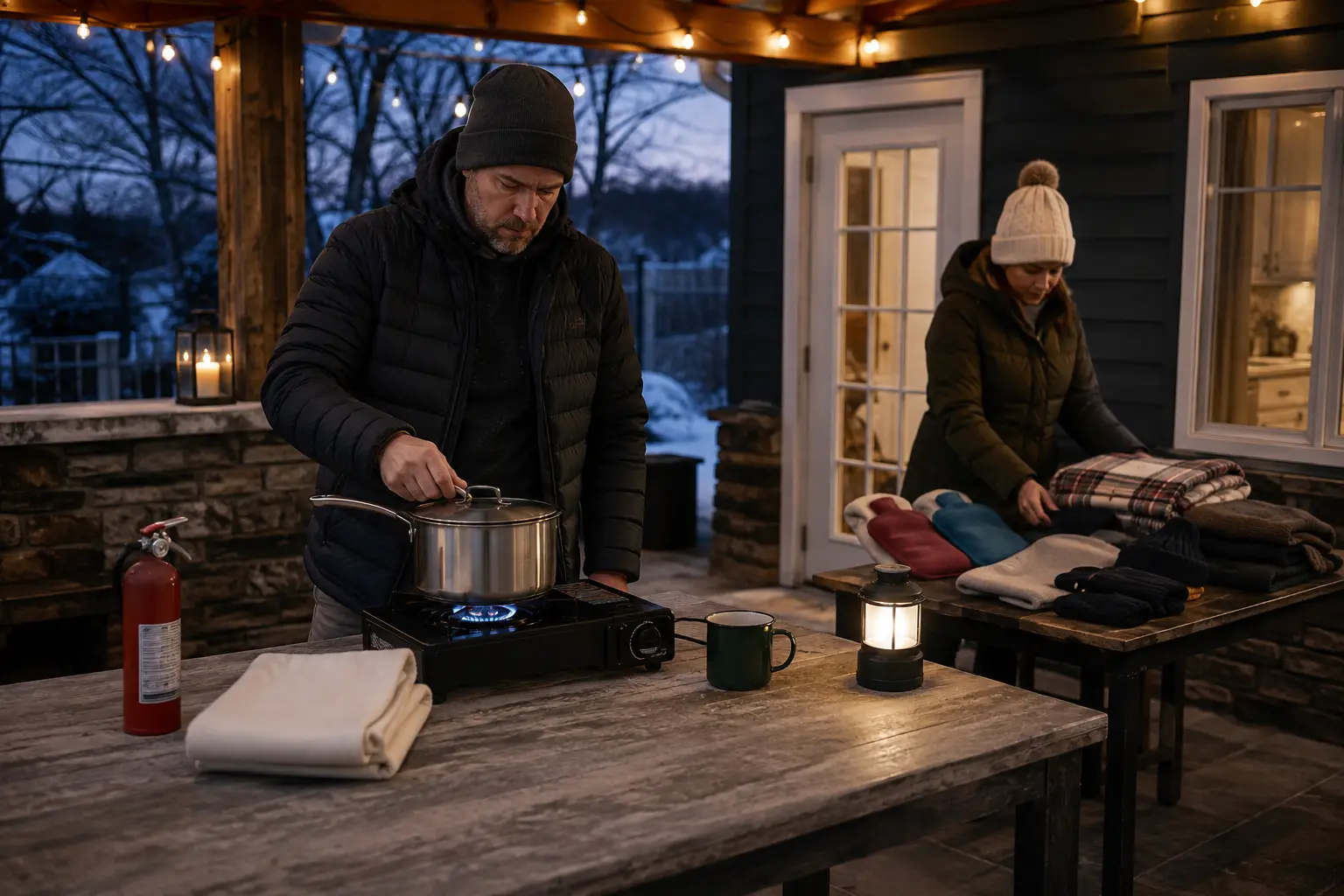
Layering, one-room plans, heat safety and ventilation-aware cooking.
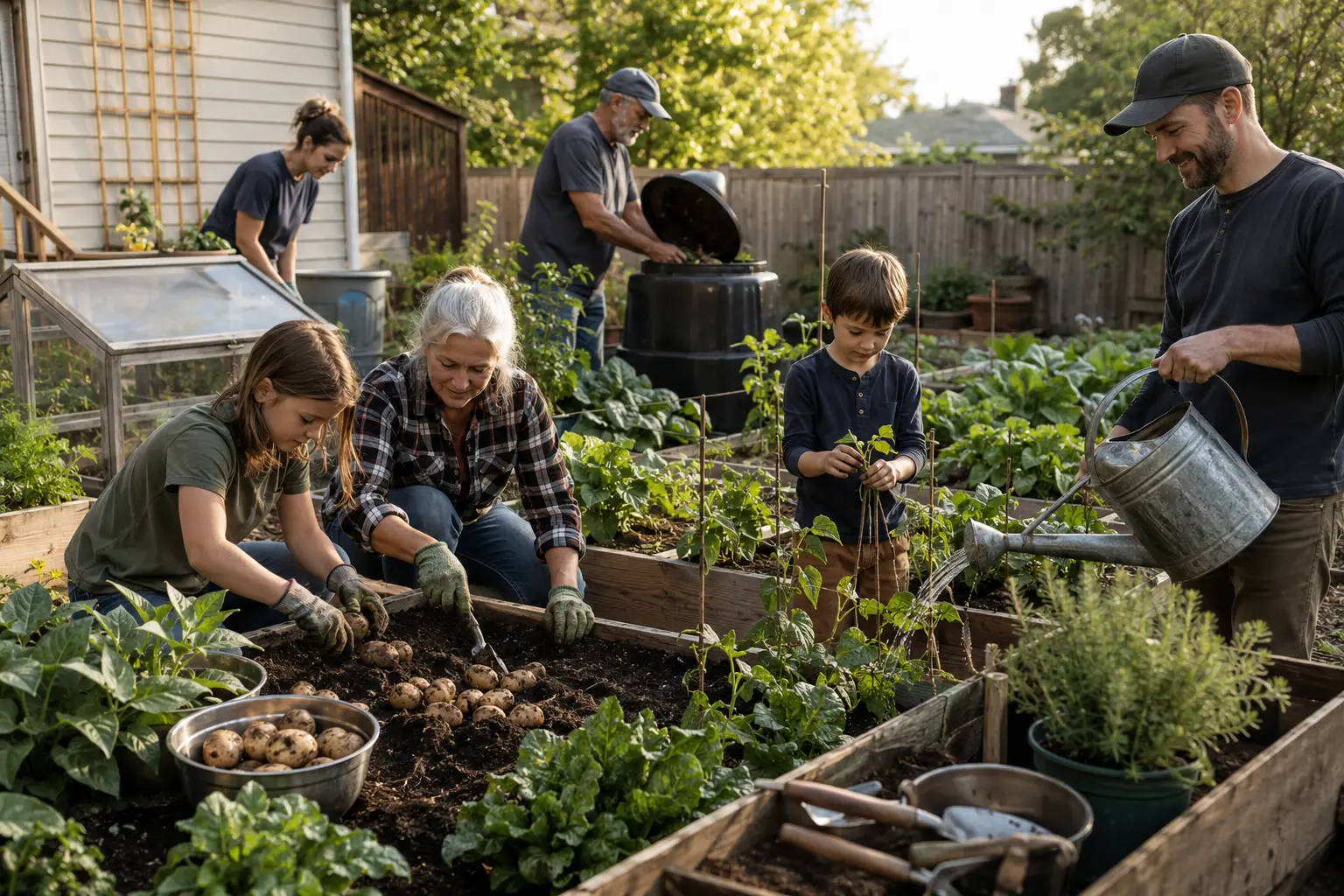
Containers, raised beds, reliable crops, compost, seed saving and preservation basics.
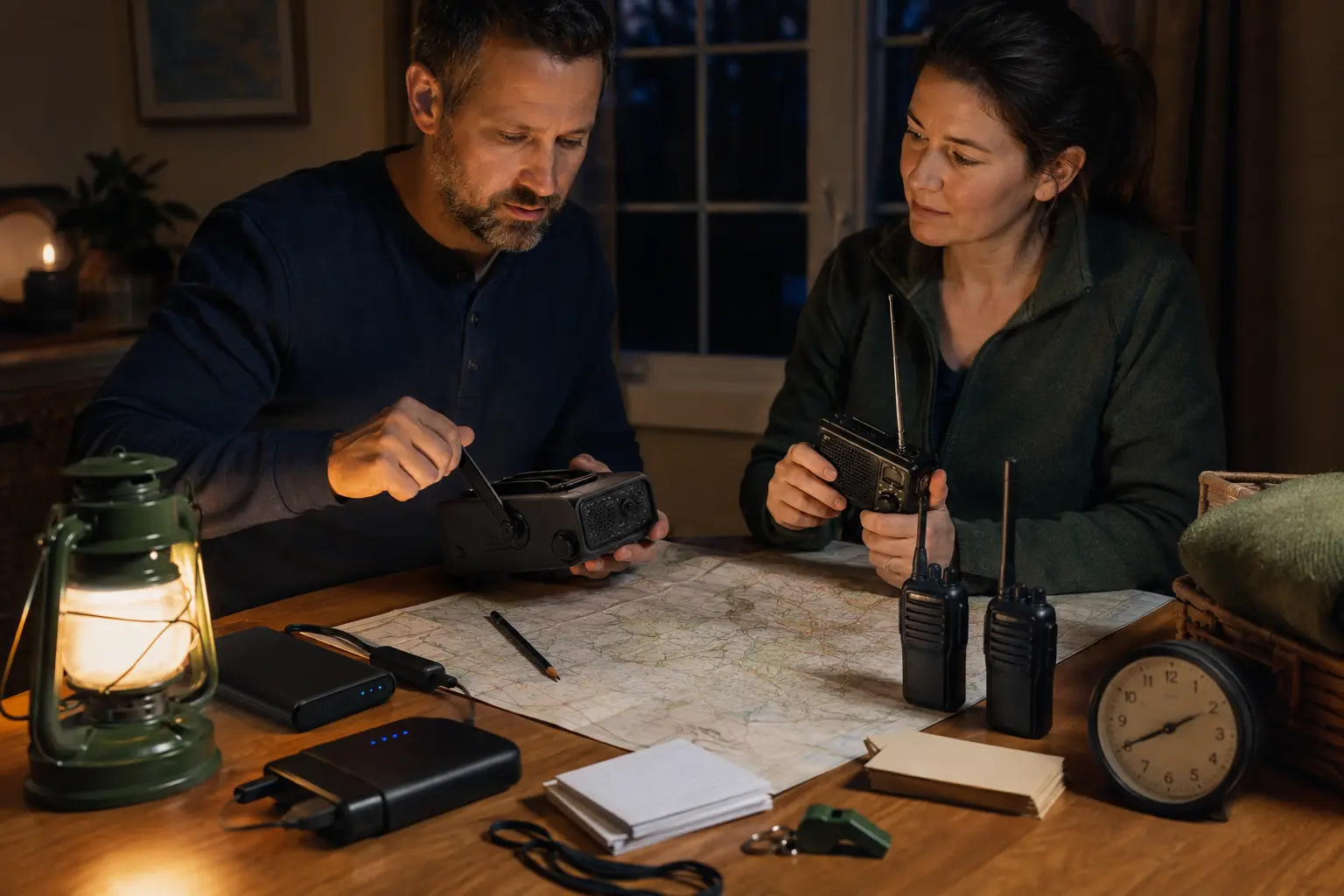
Radios, paper contacts, meeting points, maps, charging priorities and check-in times.
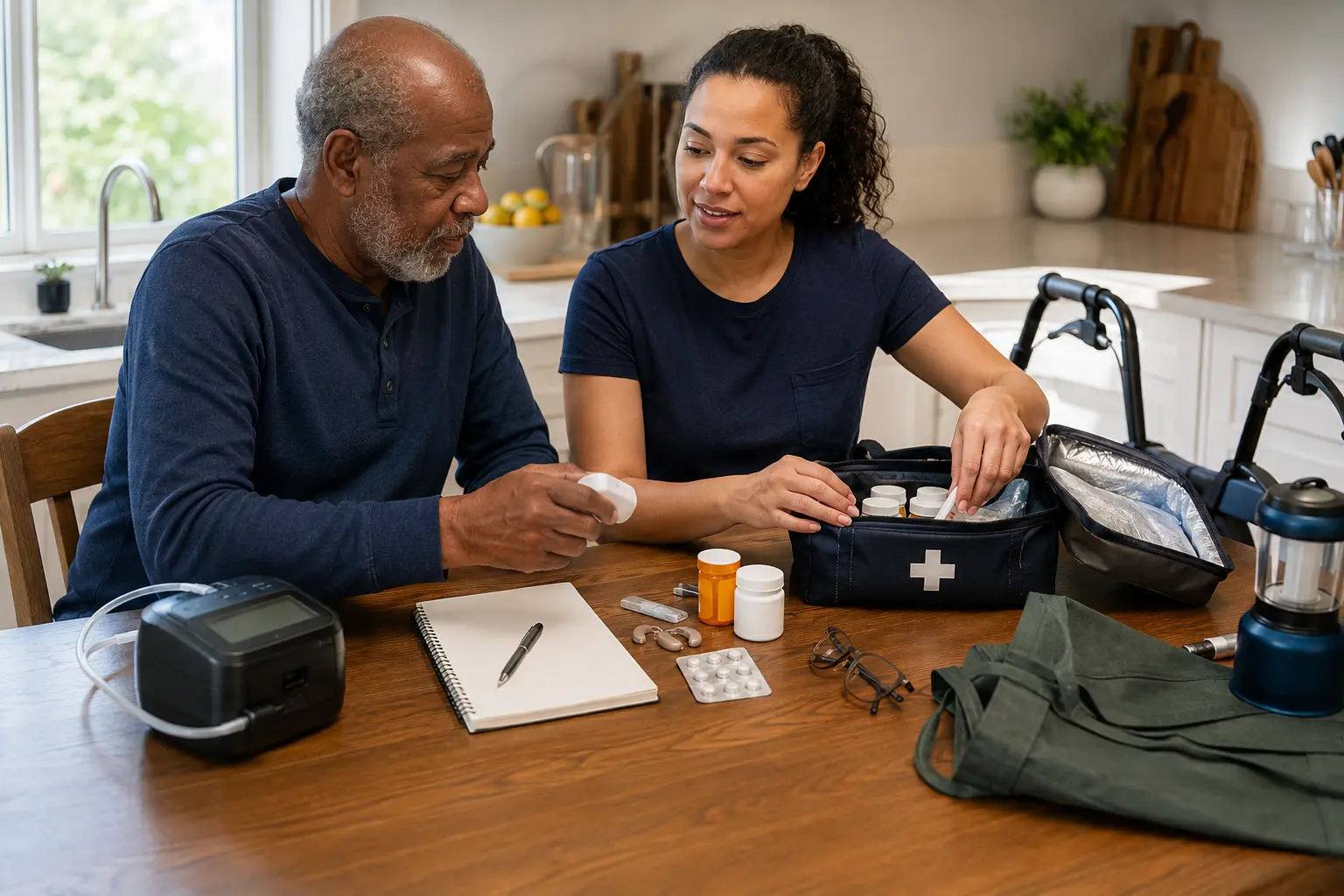
Medication, mobility, hearing, powered equipment, babies, older adults and pets.
Safe fire principles, shelter, navigation, signalling, lawful fishing and responsible foraging.
Safe storage, emergency treatment, hand hygiene, toilets and household waste.
Plans for babies, children, older adults, disability, service animals and pets.
High-rise access, building notices, safe charging and a compact vehicle kit.
When fire is lawful and necessary: site choice, control, cooking and full extinguishment.
A realistic path from a first container garden to a dependable seasonal pantry.
Training, identification, licences and why wild food is never the first outage plan.
No guides match that search yet.
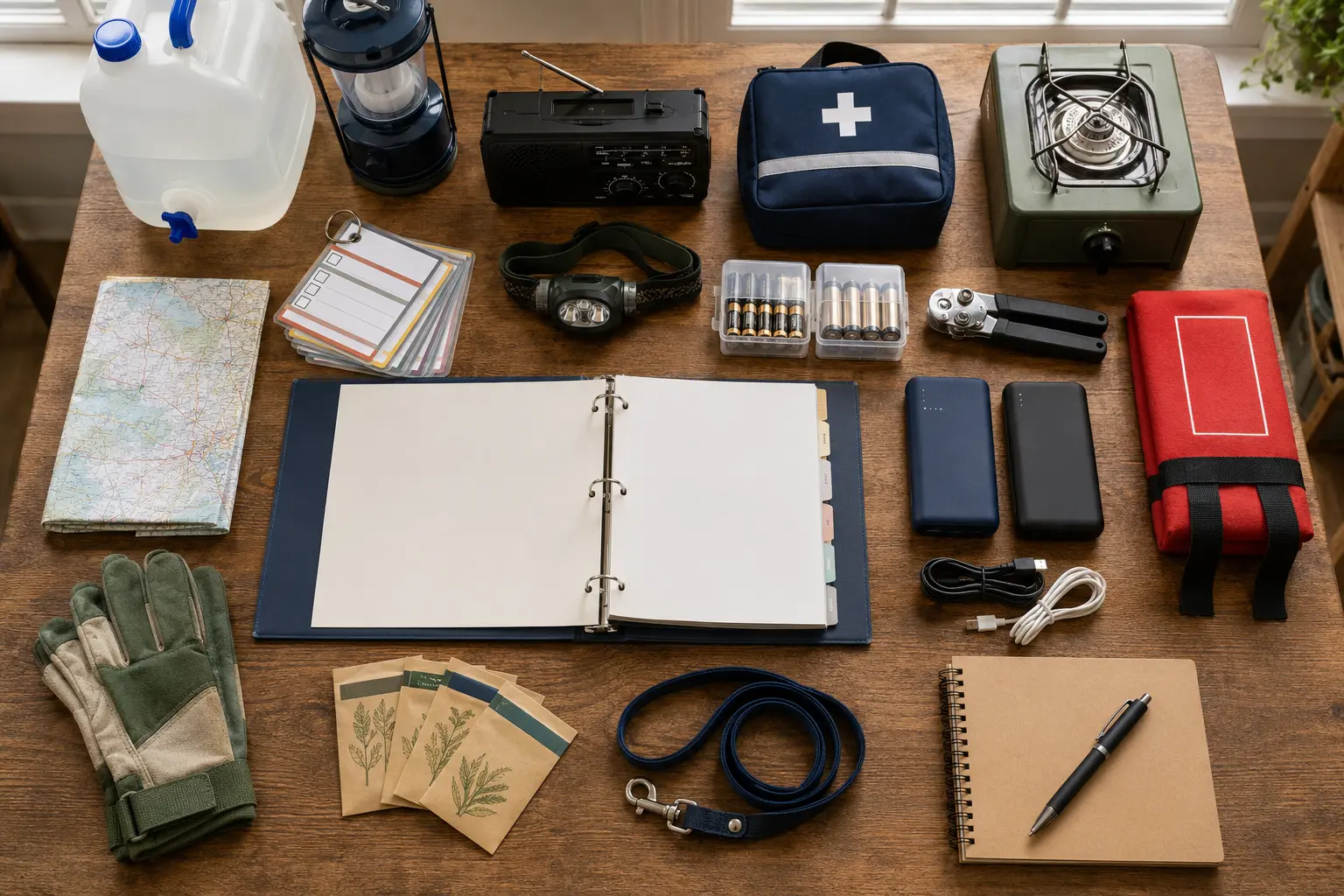
Start with reliable basics, test them, and only then add capacity. Links open broad Amazon US searches so you can compare specifications, reviews and local prices.
Headlamps keep hands free; lanterns light shared rooms. Standardise battery sizes where practical.
A battery radio, paper contacts and tested family radios can work when mobile data does not.
Size power banks around essential phones and medical plans. Solar helps only with realistic sunlight and panel size.
Containers, a manual opener and thermometers are more useful than novelty survival food.
Working alarms and a sensible first-aid kit come before specialist gear.
Plan clothing, bedding, cleaning and waste before considering any fuel-burning heater.
Affiliate disclosure: Blackout Bro may earn a commission from qualifying purchases through tagged links, at no extra cost to you. Inclusion is not a guarantee or endorsement. Compare products, follow manufacturer instructions and buy locally where that works better.
Your details stay in this browser. Save the checklist, print it and keep a paper copy with your supplies.
0 of 16 ready
Choose neighbours, relatives or friends who can share information and check on people who may need help. Never publish private addresses or medical details in a public forum.
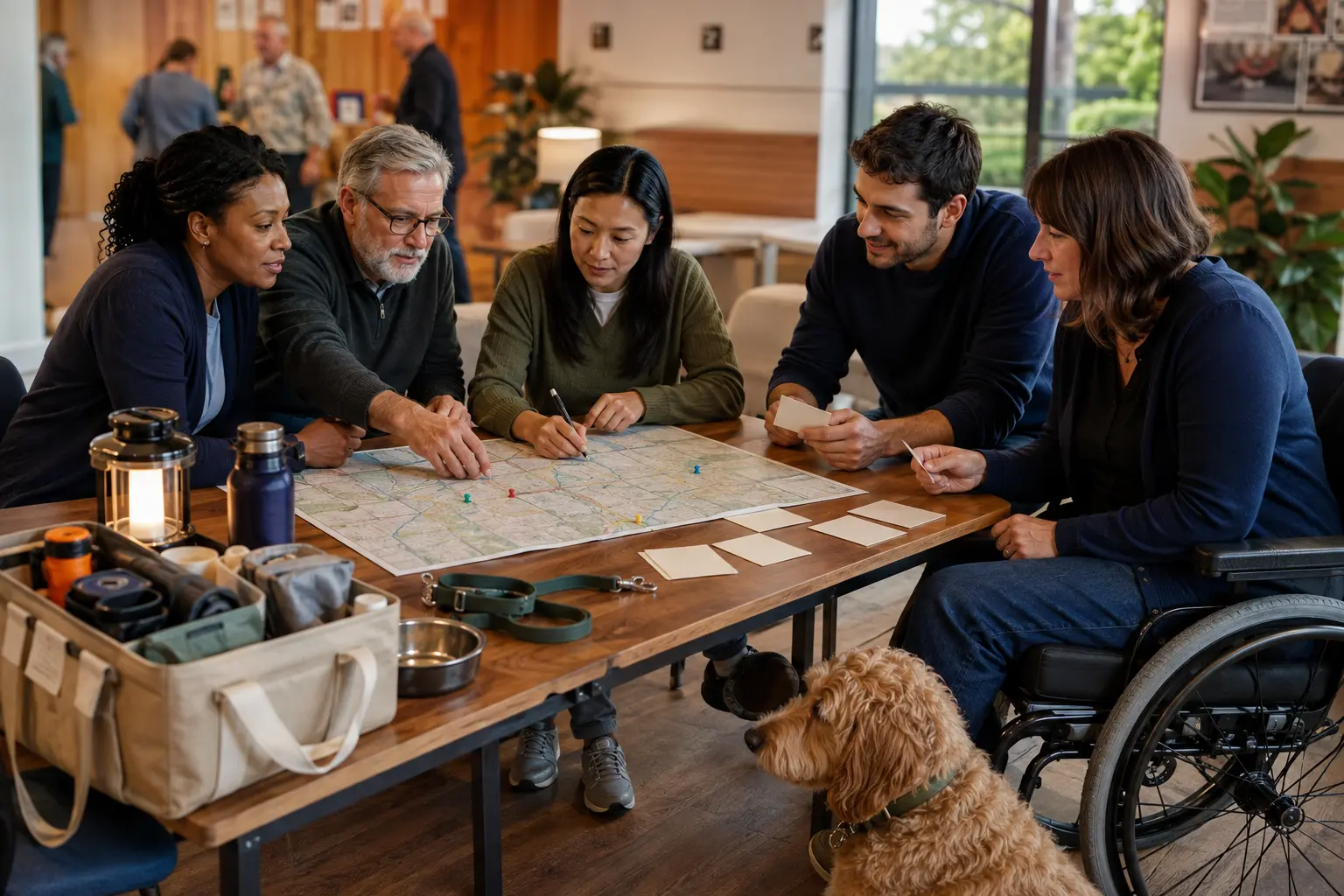
Install the full hub, keep your plan locally and print the essentials. No account or connection is needed after the first successful load.
Blackout Bro organises practical information; it does not replace emergency services, utilities, clinicians or local authorities.
Preparedness advice has consequences. These are the rules Blackout Bro is designed to follow.
usatrack0b-20. Blackout Bro may earn from qualifying purchases. Commission does not change your price, and users should compare alternatives.